English
 Polski

Bestsellers

- -zł70.00
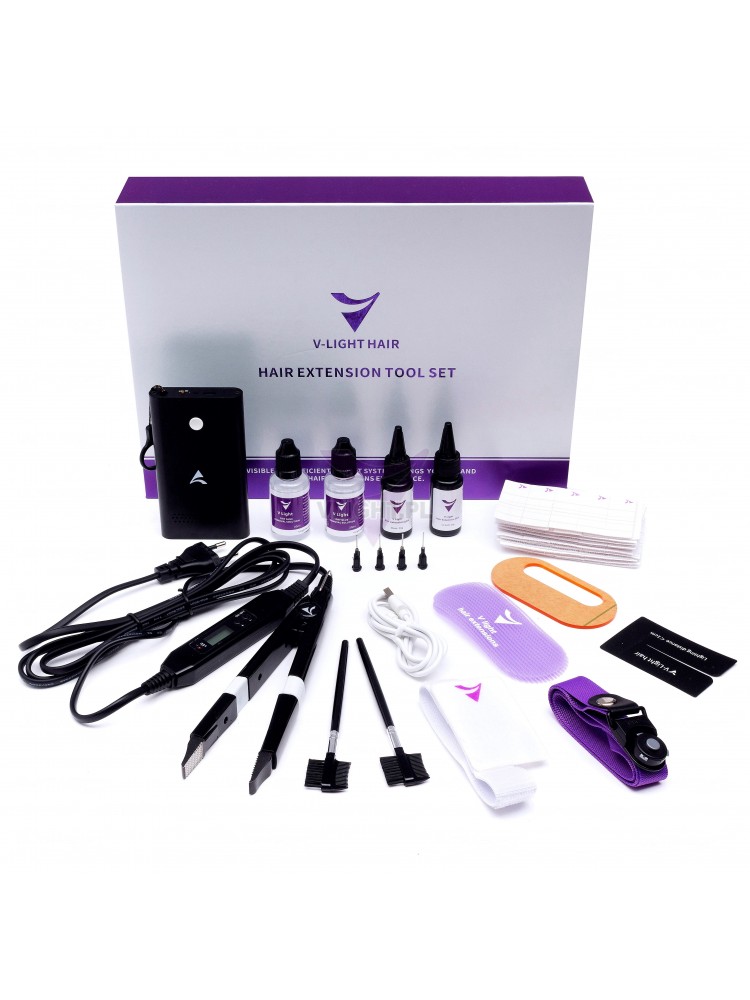
V-Light Hair Extensions — Complete Hair Extension Kit
V-Light Hair Extensions is a breakthrough solution in the field of hair styling and extension, which combines the latest technological developments with the highest aesthetic standard. This system uses a unique bonding technology that minimises the risk of damage to natural hair while ensuring durability and the natural appearance of extended bands. The V-Light, a key component of the system, allows precise and even application of the bands, which significantly reduces the time needed for the procedure. Thanks to this, the V-Light Hair Extensions is an ideal solution for all who value both efficiency and comfort during their appearance makeover.

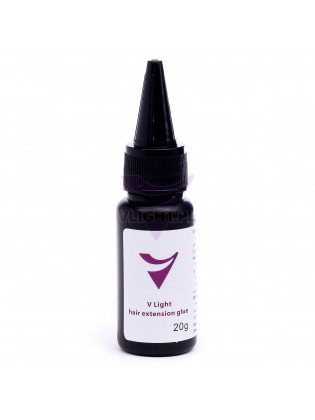
V-Light Clear UV Hair Extension Glue 20 ml
V-Light Hair Extension Glue is a modern hair extension glue that offers exceptional precision and durability using its fast drying time of 6 seconds under the influence of UV light. Its ecological formula provides strong hold and is safe for natural hair, and the product is ideal for achieving natural hair volume and density.

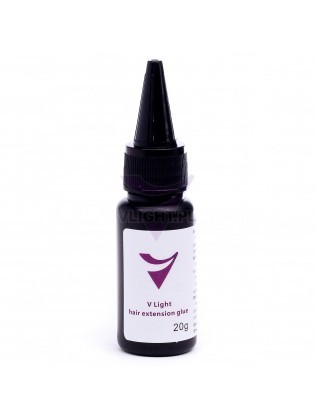
V-Light Brown UV Hair Extension Glue 20 ml
V-Light Hair Extension Glue is a modern hair extension glue that offers exceptional precision and durability using its fast drying time of 6 seconds under the influence of UV light. Its ecological formula provides strong hold and is safe for natural hair, and the product is ideal for achieving natural hair volume and density.


- On sale!
V-Light Removal — Hair Extension Glue Remover
V-Light hair extension removal fluid is an advanced solution that ensures effective and safe removal of extensions without the risk of damaging natural hair.

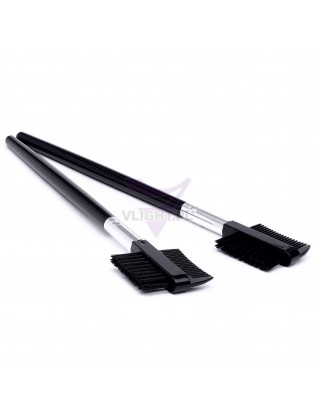
V-Light Hair Extension Comb Brushes — Set of 2
The V-Light brush-comb combines the functions of evenly distributing glue and precisely separating hair strands, making it an indispensable tool for hair extension stylists.


V-Light Keratin Hair Extension Heat Connector
The V-LIGHT KERATIN hair extension heat connector is a professional device designed for precise and long-lasting hair extensions. With adjustable temperature control and ceramic tips, it ensures even, safe heating and invisible keratin bonds with a natural look. Its lightweight, ergonomic design makes it perfect for both salon and home use. The built-in PTC heater provides fast heating, stable performance, and protection against hair damage caused by overheating. The device is compatible with Remy strands, natural and synthetic hair, as well as most keratin capsules. It is a tool that helps you achieve long, thick, and naturally looking hair, delivering lasting results and complete styling comfort. An ideal choice for demanding stylists and women who value beautiful hair.

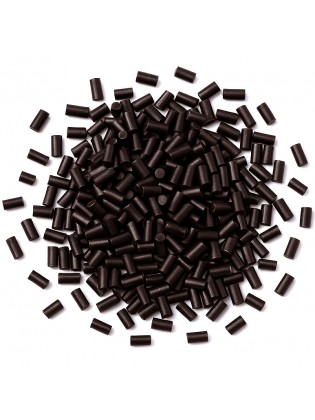
V-Light Brown Keratin Granules 10 g
V Light Keratin Capsules (Brown)
V Light Keratin Capsules (Brown) are a professional, Italian-made premium keratin produced from original Italian Keratin Grain — a raw material used by top stylists worldwide. They stand out for their exceptional purity, elasticity, and durability, creating smooth, strong, and flexible bonds that do not crumble or break. When heated, the keratin melts evenly, ensuring a natural look and lightweight feel for the hair.
The keratin is hypoallergenic and safe for the scalp, free from synthetic resins and industrial adhesives. It performs perfectly in heat fusion methods such as K-tip, I-tip, U-tip, V-tip, and Hot Pot. It allows for hair extension, thickening, and strand repair, with results lasting up to 3–5 months.
A practical screw-top jar protects the granules from moisture and impurities, keeping their full properties intact. V Light capsules are designed for demanding stylists who value perfection, durability, and safety — ideal for achieving a natural, elegant hair extension effect.

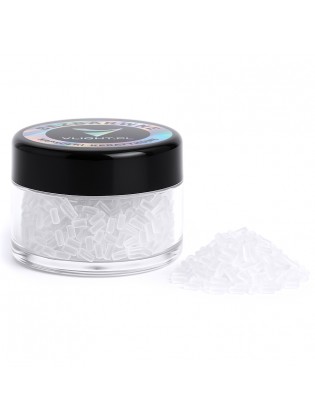
V-Light Clear Keratin Granules 10 g
V Light keratin capsules are a professional, premium Italian keratin made from the original raw material Italian Keratin Grain. They are characterized by exceptional purity, flexibility, and durability, providing strong, smooth, and transparent bonds that do not break or crumble. When heated, they melt evenly, creating a natural effect and comfortable bonds—imperceptible even on fine hair. The capsules are hypoallergenic and safe for the scalp, free from synthetic resins and technical adhesives. Ideal for heat-based methods such as K-tip, I-tip, U-tip, V-tip, and working with hot pots. They enable hair extension, thickening, and strand regeneration, offering a lasting effect for 3 to 5 months. The practical screw-top jar packaging protects the granules from moisture and preserves their properties. V Light is the choice of professionals who value precision, natural appearance, and bond durability—an ideal solution for both salon and home use.
What to Know Before Getting Hair Extensions
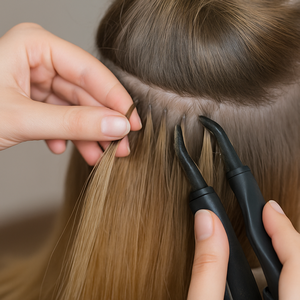
The decision to extend your hair – what is worth knowing?
When we decide to extend our hair, there are a lot of questions in our head – both about the safety of such a treatment and about more detailed issues, such as the length of the hair attached, their colour or quality. It is completely natural because the extension procedure involves interference in the structure of our natural hair and should be properly thought out.
Before we go to a specific method, it is worth to find out who will perform the service, what experience it has and what methods it offers. Professional consultation before surgery is the foundation of a successful end result.
Consultation before surgery
Choice of the stylist
To begin with, you have to choose the person with whom we will perform the service. It is worth opting for a stylist who specializes in hair extensions and thickening, who will not only perform the procedure, but will also provide professional advice. It is good to read the opinions, results of previous implementation and ask questions about experience.
Meeting before the procedure
During the consultation meeting, the stylist:
-
will select a suitable shade of attached hair, preferably suited to natural color,
-
propose the appropriate length and volume, taking into account the proportions of figure and facial features,
-
assess the condition of the scalp and hair,
-
will conduct an interview to exclude health contraindications.
A proper consultation will avoid errors and possible complications during or after the procedure.
Contraindications for hair extensions and thickening
Prolongation of the hair is a procedure requiring certain health conditions – both the scalp and the hair itself. In some cases, it should be postponed or abandoned completely.
Skin problems and dermatological diseases
-
Psoriasis, atopic dermatitis (AZS), seborrhoid dermatitis – these conditions can lead to excessive dryness, itching and exfoliation of the skin, which excludes treatment.
-
Fungi of the scalp – an infection that requires dermatological treatment against any cosmetic interference.
-
Active dandruff – not only can affect the durability of connections, but also cause irritation.
-
Wounds, inflammations, irritations – any damage to the scalp must be cured before surgery.
Excessive hair loss or alopecia
The treatment should not be performed if the client suffers from visible thinning or alopecia (telegenic, androgen, stacked) as an additional weight may aggravate the problem.
Oncological treatment
During or immediately after chemotherapy and radiotherapy, the hair structure and scalp are weakened, making the procedure inappropriate. Wait for full regeneration.
Allergies and skin sensitivity
If you are suspected to be allergic to the ingredients used during the procedure (e.g. adhesives, UV gels, microrings), you should try to be allergic or completely discontinue the extension.
Pregnancy and lactation
During this time, the woman's body undergoes many hormonal changes, which often involves excessive hair loss. Additional weight of the hairstyles can increase this effect, therefore the extension treatments are advised against.
Bad hair technical condition
Hair after intensive lightening, repeated dyeing, straightening or other aggressive chemical treatments may be too weak to maintain additional bands. In this case, hair regeneration is recommended first (e.g. through keratin, nutritional or trichological treatments).
Styling and daily hairstyles – how do they influence the choice of method?
Before visiting a stylist, it is worth considering which hairstyles we prefer every day. Do we wear hair dissolved, braids, soaks, or do we tie hair in a tall pony every day? This is crucial in selecting the method and deploying the bands.
For example:
-
Individuals who prefer high burns should avoid type methods sandwich (tape-on/tape-in)Because the tapes can be seen when the hair is tight.
-
If we care about the maximum discretion and natural appearance, especially in areas such as temples or the tip of the head, a better choice will be V-light method.
Summary
The treatment of hair extensions, although seemingly simple, requires prior preparation, consultation and analysis of contraindications. It is an investment not only in appearance, but also in the health of hair and scalp. A properly chosen method allows you to enjoy a beautiful hairstyle for a long time, without the risk of undesirable side effects.