 English
 Polski

Bestsellers

- -zł70.00
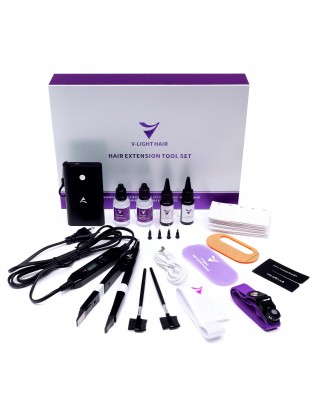
V-Light Hair Extensions — Complete Hair Extension Kit
V-Light Hair Extensions is a breakthrough solution in the field of hair styling and extension, which combines the latest technological developments with the highest aesthetic standard. This system uses a unique bonding technology that minimises the risk of damage to natural hair while ensuring durability and the natural appearance of extended bands. The V-Light, a key component of the system, allows precise and even application of the bands, which significantly reduces the time needed for the procedure. Thanks to this, the V-Light Hair Extensions is an ideal solution for all who value both efficiency and comfort during their appearance makeover.

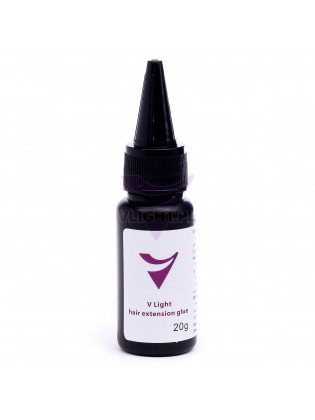
V-Light Clear UV Hair Extension Glue 20 ml
V-Light Hair Extension Glue is a modern hair extension glue that offers exceptional precision and durability using its fast drying time of 6 seconds under the influence of UV light. Its ecological formula provides strong hold and is safe for natural hair, and the product is ideal for achieving natural hair volume and density.

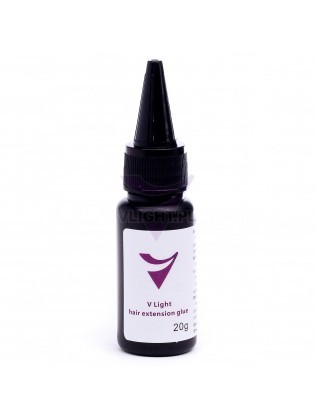
V-Light Brown UV Hair Extension Glue 20 ml
V-Light Hair Extension Glue is a modern hair extension glue that offers exceptional precision and durability using its fast drying time of 6 seconds under the influence of UV light. Its ecological formula provides strong hold and is safe for natural hair, and the product is ideal for achieving natural hair volume and density.


- On sale!
V-Light Removal — Hair Extension Glue Remover
V-Light hair extension removal fluid is an advanced solution that ensures effective and safe removal of extensions without the risk of damaging natural hair.

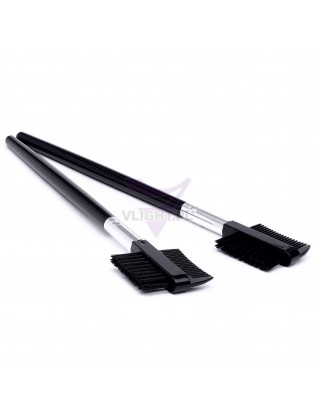
V-Light Hair Extension Comb Brushes — Set of 2
The V-Light brush-comb combines the functions of evenly distributing glue and precisely separating hair strands, making it an indispensable tool for hair extension stylists.


V-Light Keratin Hair Extension Heat Connector
The V-LIGHT KERATIN hair extension heat connector is a professional device designed for precise and long-lasting hair extensions. With adjustable temperature control and ceramic tips, it ensures even, safe heating and invisible keratin bonds with a natural look. Its lightweight, ergonomic design makes it perfect for both salon and home use. The built-in PTC heater provides fast heating, stable performance, and protection against hair damage caused by overheating. The device is compatible with Remy strands, natural and synthetic hair, as well as most keratin capsules. It is a tool that helps you achieve long, thick, and naturally looking hair, delivering lasting results and complete styling comfort. An ideal choice for demanding stylists and women who value beautiful hair.

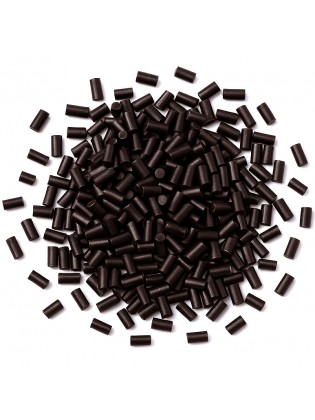
V-Light Brown Keratin Granules 10 g
V Light Keratin Capsules (Brown)
V Light Keratin Capsules (Brown) are a professional, Italian-made premium keratin produced from original Italian Keratin Grain — a raw material used by top stylists worldwide. They stand out for their exceptional purity, elasticity, and durability, creating smooth, strong, and flexible bonds that do not crumble or break. When heated, the keratin melts evenly, ensuring a natural look and lightweight feel for the hair.
The keratin is hypoallergenic and safe for the scalp, free from synthetic resins and industrial adhesives. It performs perfectly in heat fusion methods such as K-tip, I-tip, U-tip, V-tip, and Hot Pot. It allows for hair extension, thickening, and strand repair, with results lasting up to 3–5 months.
A practical screw-top jar protects the granules from moisture and impurities, keeping their full properties intact. V Light capsules are designed for demanding stylists who value perfection, durability, and safety — ideal for achieving a natural, elegant hair extension effect.

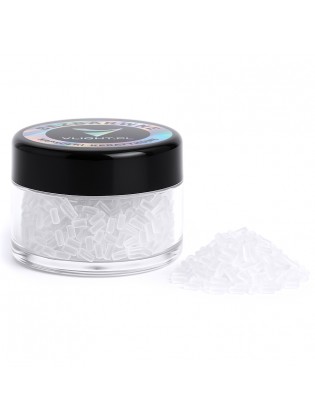
V-Light Clear Keratin Granules 10 g
V Light keratin capsules are a professional, premium Italian keratin made from the original raw material Italian Keratin Grain. They are characterized by exceptional purity, flexibility, and durability, providing strong, smooth, and transparent bonds that do not break or crumble. When heated, they melt evenly, creating a natural effect and comfortable bonds—imperceptible even on fine hair. The capsules are hypoallergenic and safe for the scalp, free from synthetic resins and technical adhesives. Ideal for heat-based methods such as K-tip, I-tip, U-tip, V-tip, and working with hot pots. They enable hair extension, thickening, and strand regeneration, offering a lasting effect for 3 to 5 months. The practical screw-top jar packaging protects the granules from moisture and preserves their properties. V Light is the choice of professionals who value precision, natural appearance, and bond durability—an ideal solution for both salon and home use.
Hair Extension Methods
There is no one universal, the best way to prolong your hair. The choice of which will ensure the most satisfactory results is usually made during the consultation meeting. The stylist will then examine key issues such as: expected effects, length before and after the treatment, condition of natural hair, their density, structure, as well as daily styling, favorite soaks, etc. On this basis you can choose the best individual hair extension method.
In addition, it is worth noting that professional consultation also takes into account issues related to care after treatment, the susceptibility of the scalp to irritations and even lifestyle – e.g. the frequency of head washing, sports or sleeping. This all affects the choice of the right technique to be durable and comfortable in everyday use.
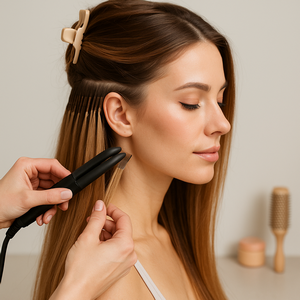
Currently there are many methods of hair extensions on the market, among others:
-
Keratin (heat) – uses the sealer to connect the hair attached to the natural one using keratin.
-
On microrings (microrings / nano-rings) – the connection is made with metal rings, without the use of high temperature.
-
Tape-in – thin tapes with hair are attached directly to the client's hair, popular due to the speed of the application.
-
Clip-in – tightened hair on the cufflinks, intended for self-contained, temporary use.
-
Ultrasonic – a delicate method using ultrasound waves to connect bands, without heating.
-
Laser – modern method using laser light pulses to activate connections.
-
Sandwich Method – a combination of two straps with hair on both sides of the natural band.
-
V-light – state of the art, practically invisible method, based on UV light technology.
One of the most interesting methods is the V-light method, which is worth looking at. It is a relatively new and very promising method in the area of hair extension. It is distinguished not only by a modern approach to the application, but also by minimal invasiveness.
What is the V-light method?
This method gains its popularity due to its delicacy and aesthetics. This is an innovative method of thickening and extending hair especially recommended for thin, delicate hairs and for places hard to reach on our head, where we fear that the joints will be visible – that is, the temples or crown of our head.
Moreover, the V-light method allows to make applications in places where other methods do not work due to too much visibility or weight of trailers. This is a huge advantage of this technology over older methods.
What is the V-light method?
The method of hair extension and density V-light uses UV gel, which is hardened with LED light. UV gel is completely invisible, light, hypoallergenic and it does not burden the hair, which is very desirable for thin hair. The possibility of very precise application allows you to put the bands very close to the head, which gives us the effect of naturalness, length and volume.
Additionally, UV gel does not change the color or structure of natural hair, which is particularly important for light or gray hair. In combination with LED light technology, the whole process takes place safely and comfortably, and the effects can be really spectacular – even with a minimum amount of own hair.
The durability of the method depends on hair care and hair growth. The greatest advantage of the V-light method is that the joints are virtually invisible and barely noticeable during wear. Thanks to this method, we can also extend the hair and thicken even on the top of the head.
Many stylists indicate that the V-light method is currently best solution for people requiring maximum aesthetics, discretion and comfort.
Comparison table of hair extension methods
| Method | Durability | Connection visibility | Carrying comfort | Safety | Evaluation (0-10) |
|---|---|---|---|---|---|
| Keratin | 2–4 months | Average | Medium | Low (heat) | 6/10 |
| Microrings | 2 to 3 months | Average | Okay. | Okay. | 7/10 |
| Tape | 6-8 weeks | High | Very good | Average | 7/10 |
| Clip-in | Temporary | High | Variable | Very good | 5/10 |
| Ultrasonic | 3-4 months | Low | Okay. | Okay. | 8/10 |
| Laser | 3-4 months | Low | Okay. | Okay. | 8/10 |
| Sandwich | 6-8 weeks | Average | Very good | Average | 7/10 |
| V-light | up to 3 months | Very low | Very high | Very good | 10/10 |